
"fourth-largest coffee producer"
25 article(s) found

Coffee beans produced in Mexico Mexico
Coffee from the world's fourth-largest coffee producer, Mexico, produces about 5 million bags of coffee annually. Most of its coffee is produced by nearly 100,000 smallholder farmers, and the large estates that once dominated the coffee industry are rare. Mexican coffee yields about 630 kg per hectare. Instituto Mexica
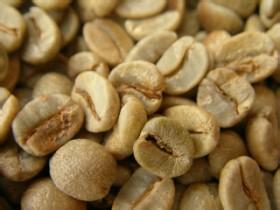
World Coffee Boutique Estate: Mexico Liquidambar MS
Coffee from the world's fourth-largest coffee producer, Mexico, produces about 5 million bags of coffee annually. Most of its coffee is produced by nearly 100,000 smallholder farmers, and the large estates that once dominated the coffee industry are rare. Mexican coffee yields about 630 kg per hectare. Instituto Mexica

Coffee from Mexico, the fourth largest coffee producer in the world
Coffee from the world's fourth largest coffee producer, slippery and fragrant, Mexico, the fourth largest coffee producer in the world, produces about 5 million bags of coffee a year. Most of its coffee is produced by nearly 100000 small farmers, and large estates that once manipulated the coffee industry are rare. The yield of Mexican coffee is about 630 kg per hectare. Later, the Mexican Coffee Association (InstitutoMexicanode)

Introduction to the Regional treatment method of Santa Rita Coffee Bean in Colombia
Columbia Santa Rita Coffee Bean Flavor characteristics Manor area treatment method for growing coffee also requires daylight and proper shade, which is most suitable for planting on fertile soil or volcanic ash soil. Therefore, the origin of coffee is widely distributed in South America, Central America, the West Indies, Asia, Africa, Arabia, the South Pacific and Oceania. Such as Ethiopia and Tanzania in Africa

The overall soft, slightly sour Salvador coffee estate introduction Renas estate
Savanna climate. Plain area belongs to tropical rain forest climate, mountain area belongs to subtropical forest climate. The annual average temperature is 25-28℃, the annual precipitation in mountainous areas is more than 1,800 mm, and that in coastal areas is about 1000 mm. May-October is the rainy season. Don't underestimate El Salvador's coffee production. In its heyday, it was the world's fourth-largest coffee producer, but decades of civil war nearly brought coffee down.

El Salvador coffee producing area with subtropical forest climate
Savanna climate. Plain area belongs to tropical rain forest climate, mountain area belongs to subtropical forest climate. The annual average temperature is 25-28℃, the annual precipitation in mountainous areas is more than 1,800 mm, and that in coastal areas is about 1000 mm. May-October is the rainy season. Don't underestimate El Salvador's coffee production. In its heyday, it was the world's fourth-largest coffee producer, but decades of civil war nearly brought coffee down.

The KIKULUNGO Coffee Cooperatives in Angola introduced the current situation of coffee in Angola.
For more information on coffee beans, please follow the coffee workshop (official Wechat account cafe_style) before independence in 1975, Angola produced around 230000 tons of coffee per year, making Angola the fourth largest coffee producer in the world. With the outbreak of the civil war, this reputation ended abruptly in 1975. The conflict lasted 27 years.

El Salvador Coffee Estate with a long finish. Flavor. Taste. Variety.
Savanna climate. Plain area belongs to tropical rain forest climate, mountain area belongs to subtropical forest climate. The annual average temperature is 25-28℃, the annual precipitation in mountainous areas is more than 1,800 mm, and that in coastal areas is about 1000 mm. May-October is the rainy season. Don't underestimate El Salvador's coffee production. In its heyday, it was the world's fourth-largest coffee producer, but decades of civil war nearly brought coffee down.

Granular, full-bodied El Salvador coffee estate. Flavor, taste, characteristics. Boutique coffee.
Savanna climate. Plain area belongs to tropical rain forest climate, mountain area belongs to subtropical forest climate. The annual average temperature is 25-28℃, the annual precipitation in mountainous areas is more than 1,800 mm, and that in coastal areas is about 1000 mm. May-October is the rainy season. Don't underestimate El Salvador's coffee production. In its heyday, it was the world's fourth-largest coffee producer, but decades of civil war nearly brought coffee down.

Colombia's coffee exports will be affected by the epidemic in 2020! Colombia is optimistic about the domestic coffee market
Because of the impact of the epidemic, the travel of people all over the world has been restricted, and countries have implemented traffic control regulations one after another, which has affected the exports of many coffee-producing countries to varying degrees, and disrupted many coffee supply chains around the world. the production, transportation and retail of coffee are greatly affected. Colombia, the fourth largest economy in Latin America, has at least 540000 countries.

The population of coffee drinkers in China is soaring! Is there a global coffee crisis? Japanese coffee merchants urgently hoard goods!
Professional coffee knowledge exchange more coffee bean information Please follow the coffee workshop (Wechat official account cafe_style) has almost become a national drink of coffee, in a few years, may face a shortage crisis. According to Japanese merchant Marubeni's estimate, world coffee consumption will exceed production in five years' time, and one of the major factors is the rise of coffee consumption in emerging markets such as Chinese mainland.

Which of the world's four black teas is best to drink Assam and Darjeeling black tea taste difference
India is one of the major tea producing countries in the world and it grows some of the best tea. Although it produces a wide variety of teas, it is best known for its black teas, including Assam, Darjeeling and Nilgiri. And, of course, there is the popular Indian tea, which uses a rich Chinese spice. India's geographical conditions allow for many different climatic conditions, resulting in

Elegant fragrance of Santa Rita Manor Fine Coffee Bean cultivation Geographic location, Climate and altitude
The suitable climate in Colombia provides a real natural pasture for coffee. Coffee trees in Colombia are mainly cultivated in the Andes, on steep slopes about 1300 meters above sea level, where the annual temperature is about 18 degrees Celsius, annual rainfall is 2000 to 3000 millimeters, latitude 1-11 15 north, longitude 72-78 west, and the specific range of elevation can exceed 2.000 meters.

A brief introduction to the Market Price of High quality Fine Coffee Bean varieties in Santa Rita Manor
[Santa Rita, Colombia] (deeply roasted in water) sucrose, clean, medium mellow thickness, Santa Rita Manor, located in Antioquia, Colombia, treats coffee in the traditional way: picking coffee cherries by hand. Then the coffee fruit is washed and dried in a scaffolding. The environment around the Andes makes this area

Mexican Coffee Bean Flavor description Historical planting area Distribution
Professional barista exchanges please follow the coffee workshop (Wechat official account cafe_style) this batch of information: country: Mexico production area: Chiapas border mountain manor name: Pearl Manor, Finca La Perla (La Pera Manor) Variety: Caturra, Catura seed treatment method: washing method, latter section of scaffolding sun harvest time: 2015 cups test flavor: sweet taste obvious, caramel

Flavor description of Mexican coffee beans, characteristics of planting history and taste description
The exchange of professional baristas please follow the coffee workshop (Wechat official account cafe_style) interesting border coffee-La Perla (Pearl) Manor Catura seed in Mexico! This bean comes from two countries-Guatemala and Mexico. La Perla Manor is so interesting. La Perla means pearl in Spanish. La Pella means pearl. This manor is located in Mexico.

How about coffee in Santa Rita, Colombia? how many kinds of coffee beans in Santa Rita
Professional barista exchanges please follow the coffee workshop (Wechat official account cafe_style) Columbia Santa Rita Manor coffee beans what are the characteristics of Ireta Manor coffee how much CAUCA CAUCA Cauca, among other things, this aspect is most famous for its coffee cultivation around Inza and Meseta de Popayan of Popayan is the high altitude of the plateau.

Differences, distinctions and awards of single beans in Santa Rita Manor, Colombia
For the exchange of professional baristas, please pay attention to the coffee workshop (Wechat official account cafe_style) the difference, distinction and award-winning situation of single beans in Santa Rita Manor, Colombia: Cadouai, Kaddura Manor: Santa Rita Columbia's history of growing coffee, which can be traced back to the Spanish colonial era in the 16th century, there are also many theories about the history of coffee in Colombia: one: it is said that

El Salvador Boutique Coffee Region El Salvador Chocolate Lover Manor Coffee Brewing Flavor Features
Professional coffee knowledge exchange More coffee bean information Please pay attention to coffee workshop (Weixin Official Accounts cafe_style) El Salvador was once the world's fourth largest coffee producer because decades of civil war dragged down the entire coffee growing industry. With the end of the civil war, the local people began to organize their long-abandoned farmland and replant batches of coffee trees. Coffee trees have opened in recent years.

Development of Coffee production and processing in Vietnam Central Plains Coffee Highland Coffee Moche Coffee
Vietnamese coffee (c ph, literally iced coffee) is a kind of dripping coffee. The aroma is strong, the sour taste is light, the taste is smooth and moist, the fragrance is slightly bitter, the aroma is rich, refreshing and refreshing. Representative products are moossy Coffee, Central Plains Coffee, Saigon Coffee (SAGOCAFE), Highland Coffee. The geographical location of Vietnam is very favorable for coffee cultivation.